Viber
Viber
 Telegram
 WhatsApp

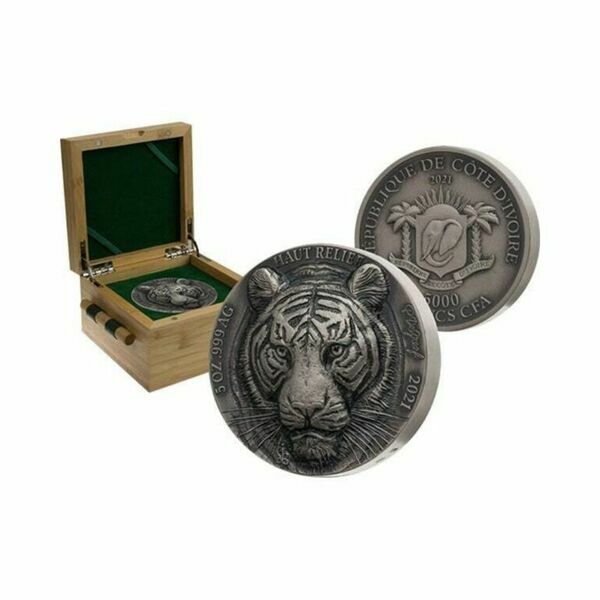
Collectible coins
 Today, we are mostly annoyed by metal money that weighs down our pockets, makes our wallets unwieldy, and also slows down our calculations. Of course, we don't think much about how far coins have come since the invention of the first money. Even less often do we think about the existence of coins whose value is thousands of times higher than their face value.
Nevertheless, both coins and the tradition of collecting them have a very long history. So if you are looking for a new hobby or have been looking for metal money with an interesting design since childhood, this article is for you. You will also learn why a coin can be a better gift than a book as a gift.
From ancient coins to the present day
Even without banknotes, people traded in-kind domestic animals, primitive tools or farming tools. It was these small items that became the first currency and inspired the making of coins. Whether miniature sickles or gold rings - all these early means of payment were made of metal. After all, for an object that will change thousands of hands during its life, it is important to be resistant to damage. At the same time, in the beginning, the malleability of the chosen metal was also important - in some countries, payments were made with gold or silver ingots of a certain weight, from which certain pieces could be cut.
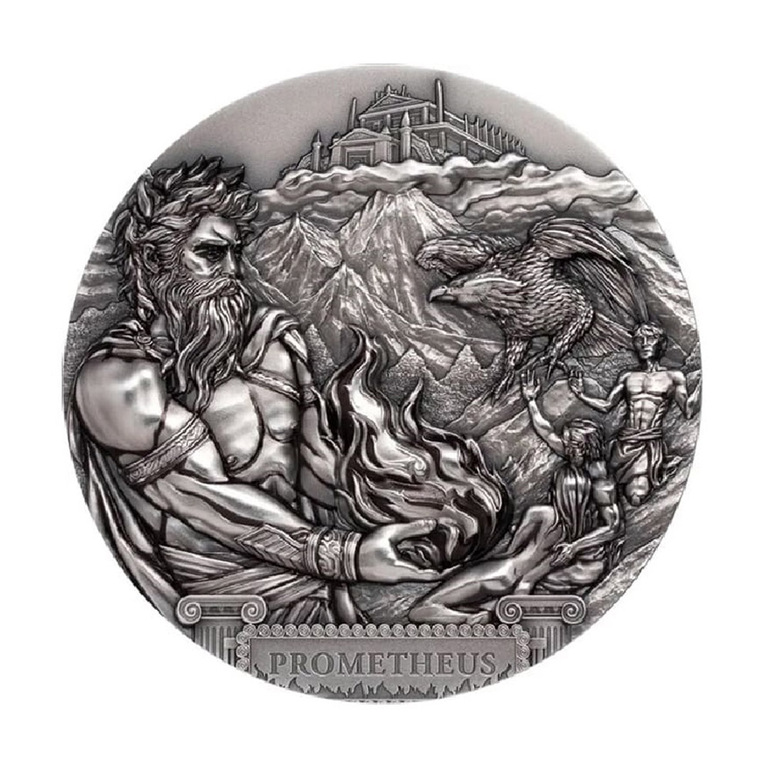 Obviously, such methods of calculation are somewhat cumbersome and complicate international trade - it is difficult to explain the value of a hoe to a foreigner who is used to paying with gold. It is likely that it was with this motivation that the Lydian king Croesus initiated a system of gold and silver coins, which was quickly picked up by neighboring Greece. The coins were engraved with images of gods, animals, coats of arms, and notes about the city or government that produced them. It is interesting to note that initially the coins had a relief image on only one side, as it was pressed on the opposite side. But later, methods were invented to apply relief images to both the obverse and reverse, so craftsmen began to practice the art of better depicting deities. So today's queens, eagles and prominent figures on national currencies originate from antiquity.
The expansion of the empire and the annexation of new territories required unified calculations, at least within their own borders, and later for international trade. The best way was to fix the materials and weight of the standard coin, which were almost always made of gold, silver or bronze. In our latitudes, the coins of Tsarist Russia were in use, which changed the denomination system over time, but were always gold, silver or copper and had the image of the imperial coat of arms and the emperor's profile. Already at that time and later, the value of a coin began to be determined by its face value, and not by the actual price of the metal. Therefore, after 1925, precious metals were no longer used for coins of the USSR, and they switched to aluminum, nickel and alloys.
Today, all standard coins are made of base metals. Thanks to computerization and automation of the minting process hundreds of thousands of banknotes can be produced every day. Therefore it is quite possible several times in your life to witness the complete replacement of metal money in the country.
Collectible coins for wealth and entertainment
 The first coin collectors appeared in ancient times. This was probably due to the need to recognize the different coins of the world, their value and origin, so as not to become a victim of fraud or scam. From the beginning, this science and hobby were practiced by educated wealthy people, Popes, and French monarchs. That is why this hobby began to be called the "passion of kings." In the 20th century, ancient coins began to be considered archaeological treasures - they became museum exhibits, the subject of searches, excavations, and auctions. Newer coins began to find their way into private collections due to certain features. For example, a limited number of coins minted or a unique defect, or a special occasion for the issue, such as a military victory or the jubilee of a monarch.
 For example, the most expensive coin in the world was the Double Eagle - a US $20 bill issued in 1933, which was sold at auction for $7.5 million. Due to the beginning of the Great Depression, the entire issue of such gold coins was subject to melting for the needs of the economy, but 20 pieces, stolen from the mint, survived. Thus, they became the most desirable and rare specimens for numismatists.
Among the valuable coins of the USSR, there are quite a few that owe their uniqueness and price to errors in minting. Stretched font, incorrect drawing of the coat of arms, obverses from coins of a different denomination, and similar incidents. But among the expensive coins of Ukraine, most of the interesting specimens are experimental samples. Since our state began issuing its own banknotes after gaining independence, small trial runs of coins of a certain denomination were periodically issued to select the most successful design.
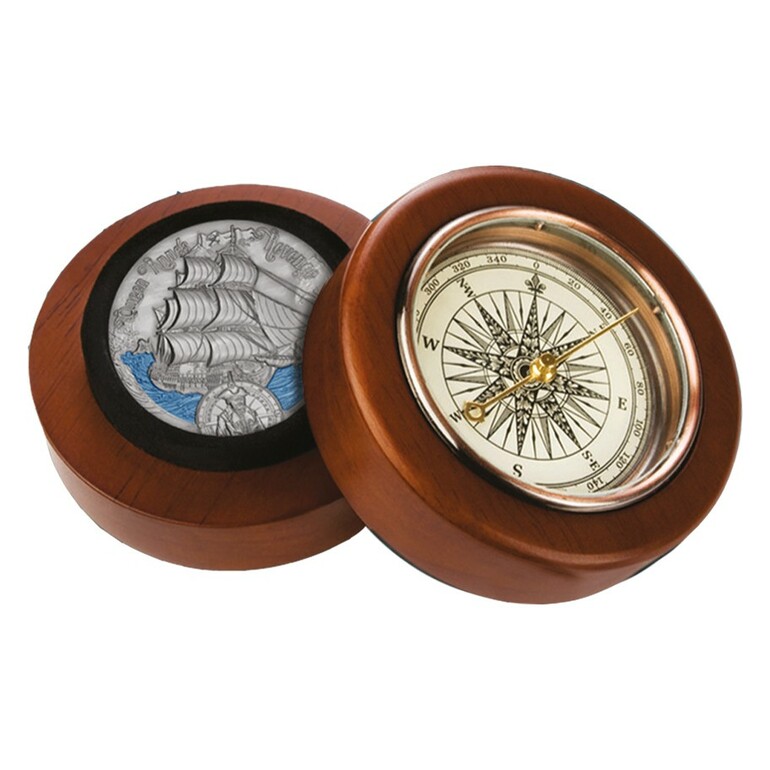
So, if you have a pot of royal coins lying around in your attic or you keep your childhood collection of kopecks found on the street, you can already call yourself a numismatist. And maybe the owner of a small fortune. And you can replenish such a collection or start collecting it thanks to the Fama store, which offers collectible and anniversary coins as a gift.