Viber
Viber
 Telegram
 WhatsApp

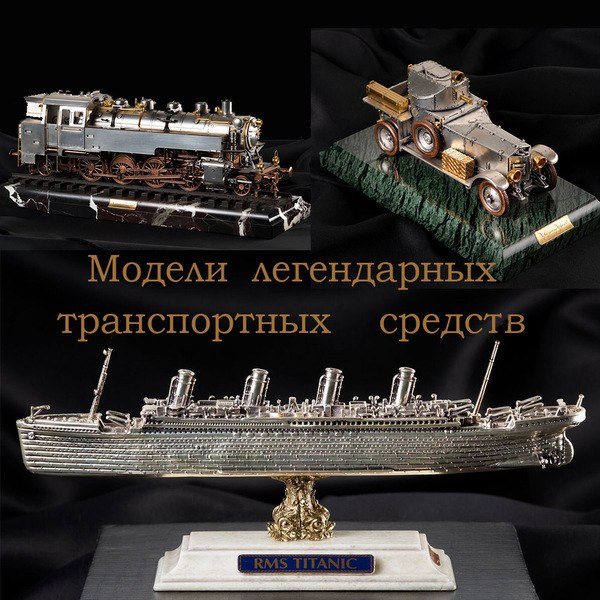
There is something elusively attractive about models of various vehicles. When you look at reduced copies of various means of transportation, especially when they are as similar as possible to the original, you understand that creating these copies is a separate art. However, it even has a completely official name - modeling, and international competitions are even held in it. This art is especially delightful when the copy is made of something that has its own history, sometimes very rich and deep. In our Fama online store there are as many as 6 such models, which we will tell you about in this article, arranging them in chronological order of the creation of their real prototypes.
Models for a gift
1.«Roman war galley»

The first mention of 426 BC. The ancient Roman fleet was not technologically revolutionary even for its time. But the Romans were able to summarize all the experience accumulated by neighboring peoples in the field of shipbuilding and created an armada that allowed them to make the Mediterranean Sea their internal reservoir for centuries. To some extent, the fleet performed the same preventive function for Ancient Rome as atomic weapons do now: everyone knew that the Romans had such power in their hands that it was useless to even start doing anything against it. This model is a classic example of a Roman ship.
2.«Caravel «Ninja»

Commissioned in 1475. This legendary ship was among the ships that made Columbus and his crew discoverers of America in 1492. Moreover, the "Niña" took part in two more subsequent expeditions of Christopher to the New World. Interestingly, the real name of the caravel is "Santa Clara", and the name under which this ship went down in history was formed from the surname of the ship's owners, the Niño brothers. No images of the ship have survived, so this model tried to recreate the appearance of the 15th century caravels as accurately as possible. A copy will be a great gift not only for model collectors, but also for lovers of the marine theme.
3.«Titanic»
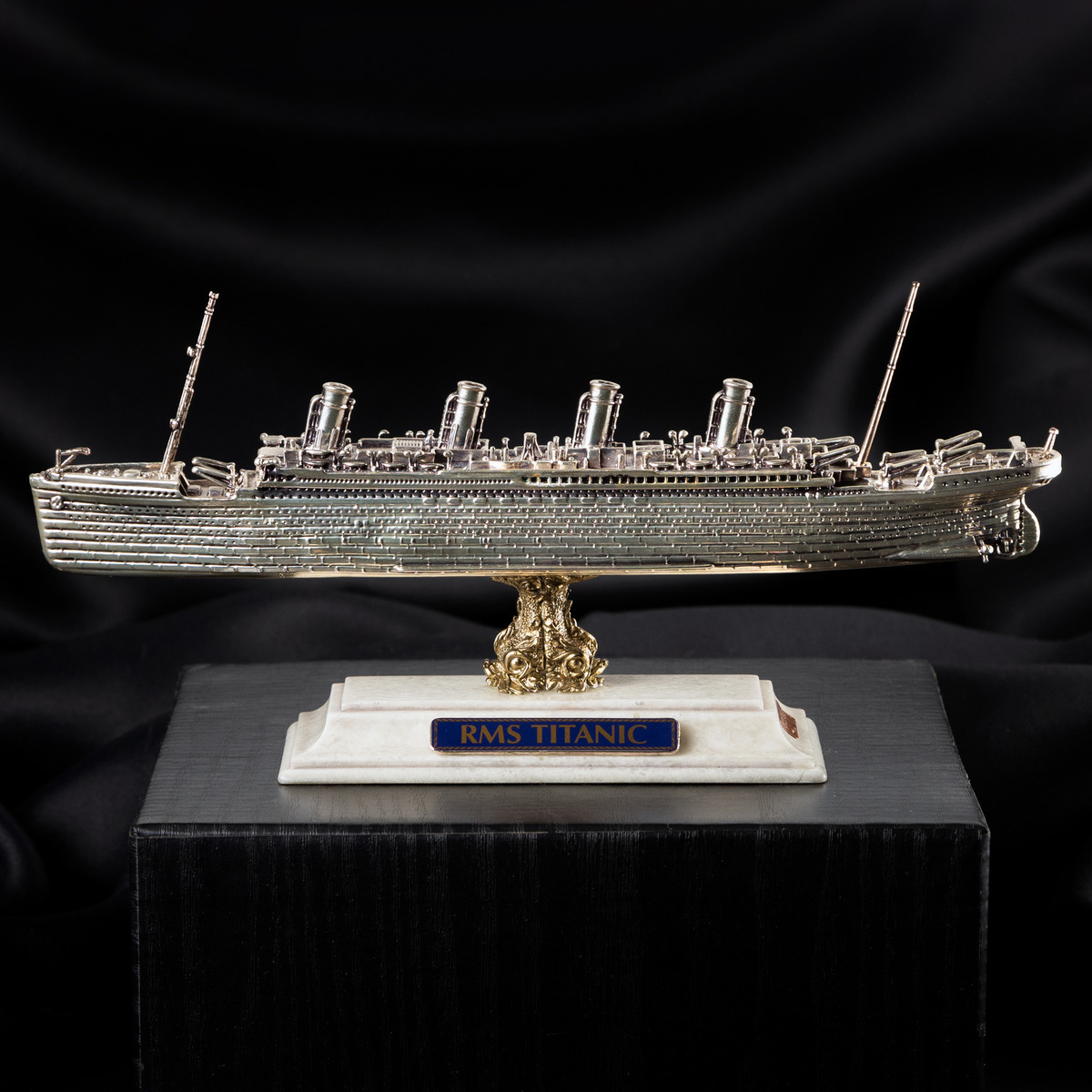
Launched in 1911. Another legendary vessel, but, unfortunately, with a much more tragic fate. The sinking of this steamer immediately became a legend when the ship, built on a huge scale and considered unsinkable, did not even survive its first voyage. But of course, a new wave of popularity for the Titanic, or rather the fact of its meeting with an iceberg, occurred after the release of the film of the same name by James Cameron in 1998. The film perfectly depicted all the horror of people who were carefree chatting, smoking and flirting, and after a while were already desperately fighting for their lives in icy water.
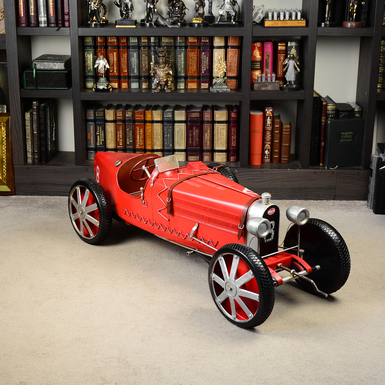
4.«English armored car»
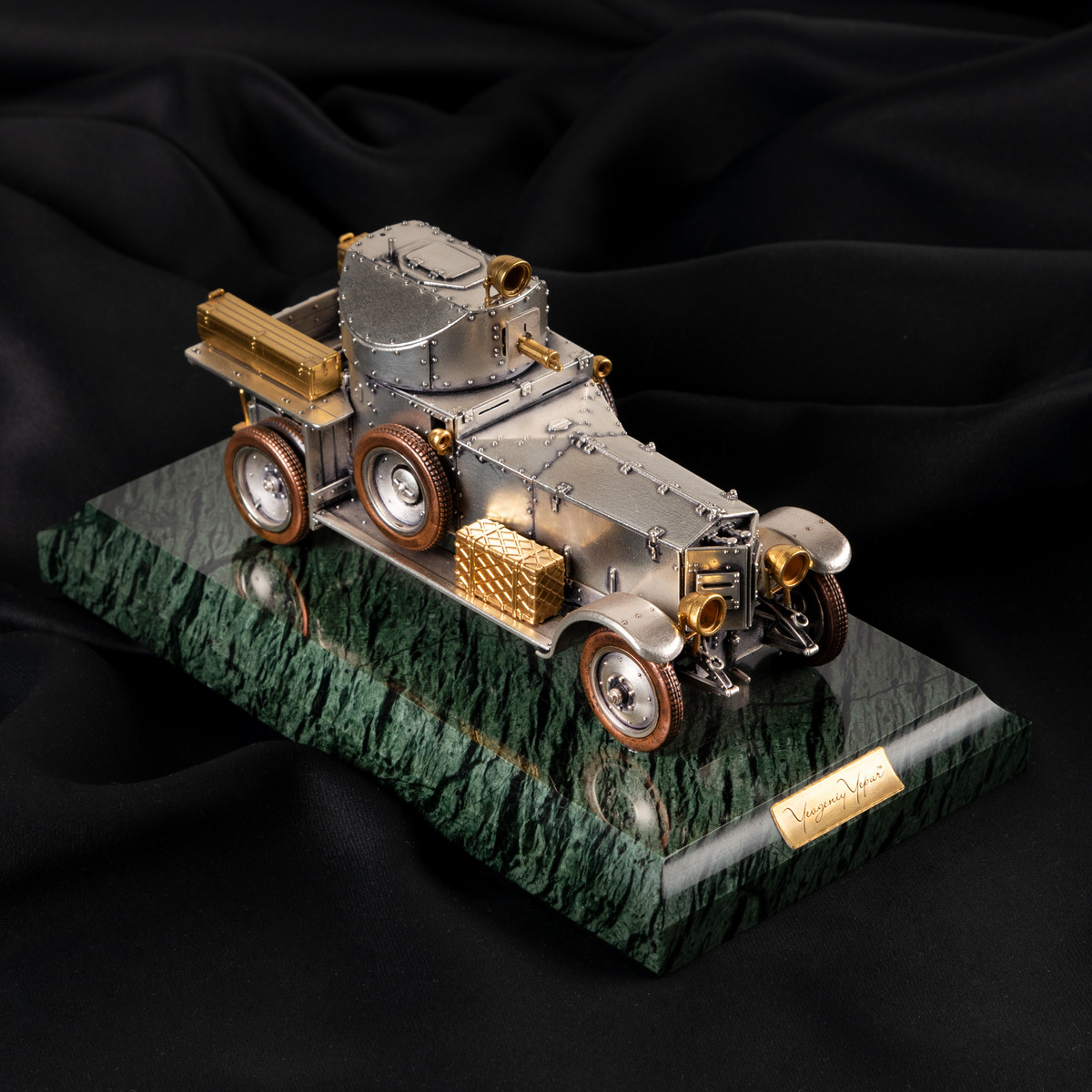
The first ideas and designs for armored vehicles appeared at the end of the 19th century, but the prototype of this model was produced in the 1920s. Let's move from swimming to land vehicles. Although they are no longer very relevant today, armored vehicles were once an important milestone in the development of armored vehicles, which changed the tactics and strategy of combat operations beyond recognition. However, the use of armored vehicles still takes place today, but more for equipping the police, special forces and peacekeeping forces. The English armored car was chosen as the prototype because Great Britain was one of the first countries to launch the production of this military equipment.
5.«German steam locomotive»
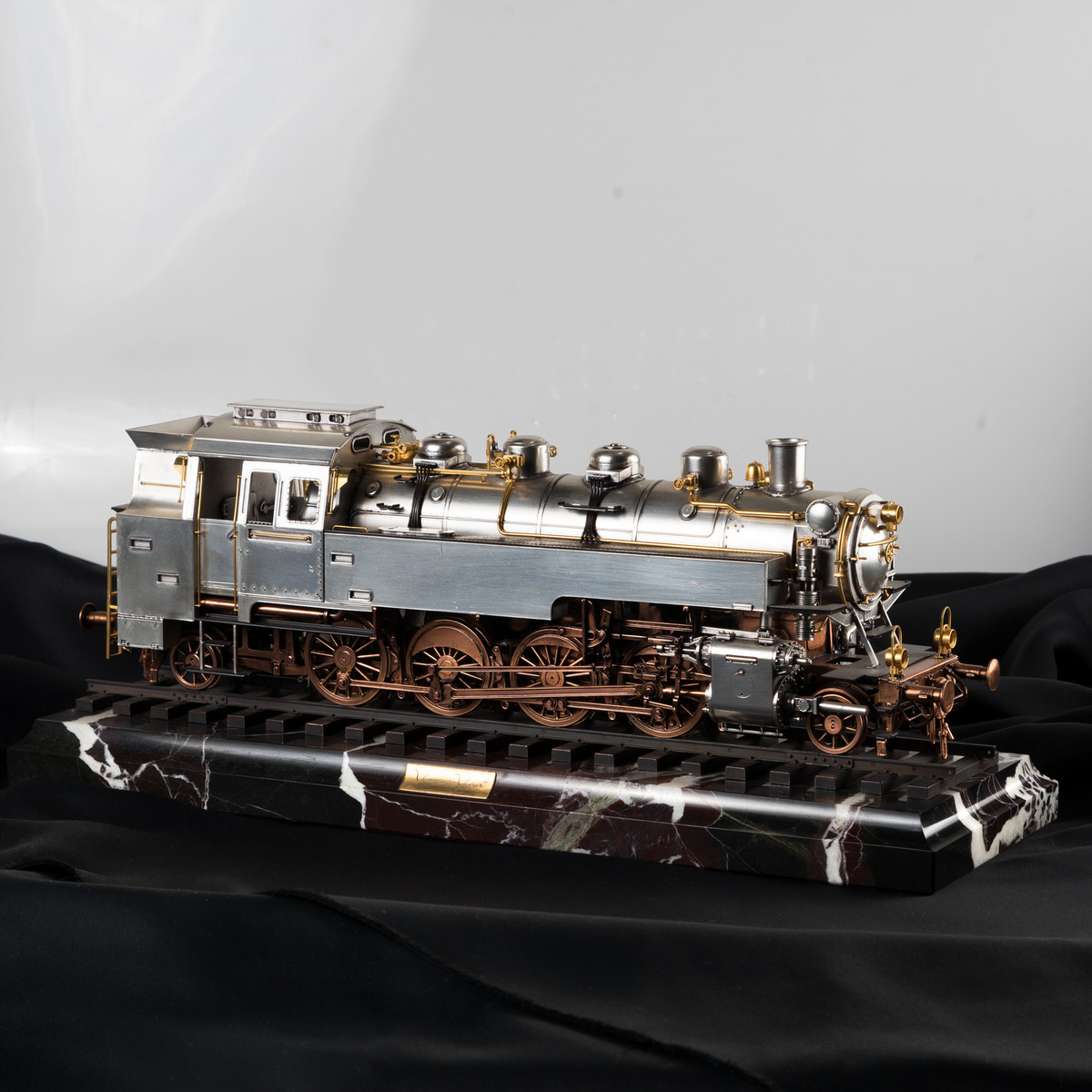
The prototype of this model, the BR-86, was developed in the late 1920s and was mass-produced from 1928 to 1943. The original steam locomotive differed from previous versions in having tanks located in the locomotive, and not in a separate car, as before. The English word for tank is “tank”, which is why the BR-86 is also called a tank locomotive, and not because it somehow rides on tracks on a caterpillar track. A number of these heavyweights ended up in the USSR as reparations after the Great Patriotic War. Therefore, one of the BR-86 locomotives appeared in a cameo role in the Soviet classic “Spring on Zarechnaya Street” in 1956. A great gift for railway fans.
6.«Submarine «Seehund»
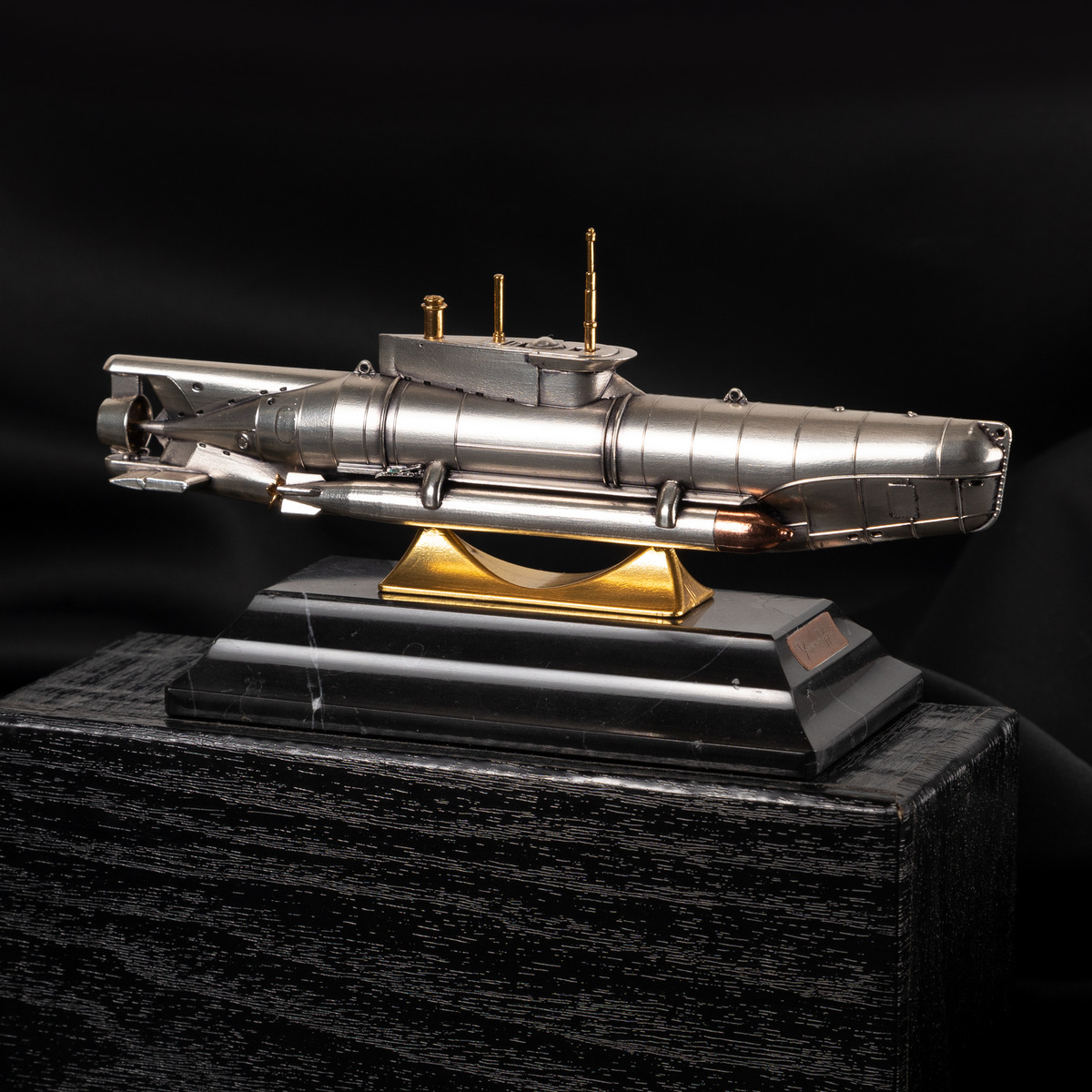
First launched in 1944. The name «Seehund» is translated from German as «Seal» (because of this, confusion may arise with the submarine of the same name of the Russian Empire, the record holder of this state and its heirs in the number of victories). «Seehund» refers to the type of ultra-small submarines. Her crew consisted of only 2 people, and the displacement was 14.9 tons. This determined both the combat missions of the ship and sabotage and espionage. A certain immunity to direction finding and detection due to the modest size of the submarine allowed the "seals" to remain effective until the very end of the war, when the Third Reich suffered one devastating defeat after another. This helped the "Seehund" submarines to take their place in the history of the Second World War, and their reduced copies to be of genuine interest to modelers and fans of this topic.